


As people strive for brighter, more radiant smiles, teeth whitening has become increasingly popular in recent years. However, amid the growing interest, numerous misconceptions and myths have also emerged, clouding understanding of what teeth whitening involves and its potential effects. In this guide, we aim to debunk some of the most common myths about teeth whitening to provide clarity and accurate information for those considering this cosmetic dental procedure.
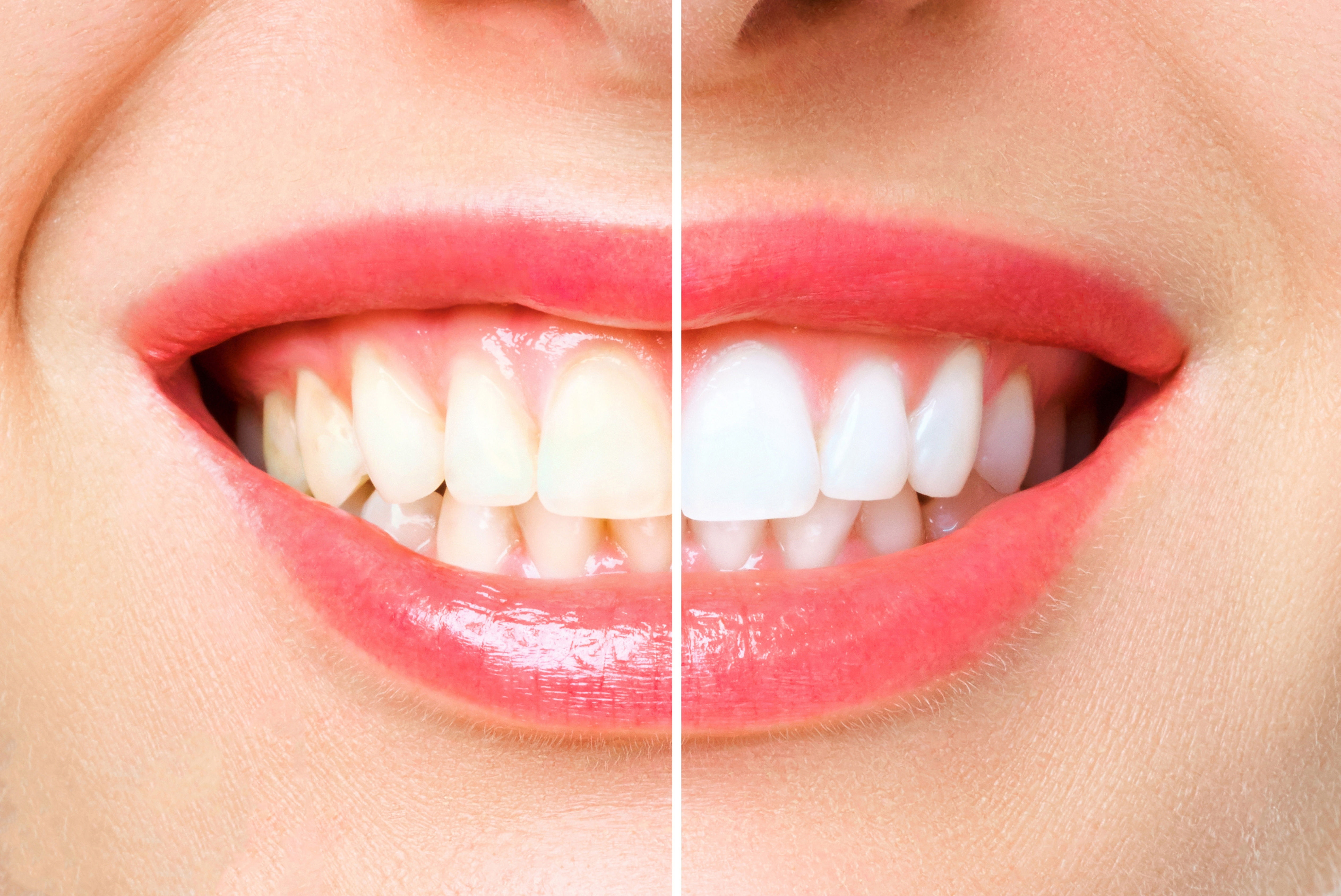
A common myth about teeth whitening is that it damages tooth enamel. This misunderstanding likely stems from the belief that whitening agents used in treatments erode the protective enamel layer. However, when performed under the supervision of a dentist and following recommended guidelines, teeth whitening procedures are generally safe and do not harm the enamel. In fact, many modern whitening techniques are designed to minimize sensitivity and preserve enamel integrity.
Another myth is that over-the-counter whitening products are as effective as professional treatments. While various whitening toothpastes, strips, and gels are available in stores, their effectiveness may be limited compared to professional treatments performed by dentists. Professional whitening treatments typically use higher concentrations of whitening agents and may include additional technologies to achieve more significant and longer-lasting results. Additionally, dentists can customize the whitening process to each individual's specific needs, ensuring optimal outcomes.
There is also a false belief that teeth whitening results are permanent. While whitening treatments can effectively remove stains and lighten tooth color, the results are not necessarily permanent. The longevity of whitening effects depends on various factors, including individual lifestyle habits such as smoking and consuming stain-causing substances like coffee or red wine. Over time, teeth may gradually darken again, and touch-up treatments may be needed to maintain the desired level of whiteness.
Some people believe that teeth whitening is only suitable for certain individuals or age groups. However, teeth whitening procedures can be safe and effective for most healthy individuals regardless of age. Whether you are a young adult looking to enhance your smile or an older individual wanting to reverse the effects of aging on tooth color, there are whitening options available to meet a wide range of needs and preferences. Of course, it is important to consult a dentist to ensure teeth whitening is an appropriate choice based on your oral health and any pre-existing dental conditions.
In conclusion, understanding the facts and myths about teeth whitening is crucial for making informed decisions about improving the appearance of your smile. By dispelling common misconceptions and seeking guidance from dentists, individuals can confidently embark on their teeth whitening journey, knowing what to expect and how to achieve the best possible results while protecting their oral health.